
Dental crowns often remain serviceable for many years, but there is no single lifespan or replacement age that applies to everyone. How long one lasts depends on the tooth beneath it, the crown’s fit, bite forces, material, and daily care; age alone does not mean it has failed.
Key Takeaways
- A crown can remain useful for many years, but its lifespan varies with the tooth, fit, bite, material, and daily care.
- The natural tooth beneath a crown can still develop decay, cracks, or gum problems.
- Material choice should reflect tooth position, chewing forces, and appearance, not appearance alone.
- Grinding, clenching, hard-object chewing, and plaque at the crown margin can put the restoration or supporting tooth at risk.
- Looseness, damage, pain, swelling, or a changed bite are reasons to arrange an assessment.
- An exam, and dental X-rays when appropriate, can help identify changes that are not obvious at home.
Why crown lifespan is not a fixed timetable
A dental crown can stay functional for many years, but there is no single lifespan that applies to every person or tooth. Wear, bite forces, the condition of the supporting tooth, crown fit, and cleaning habits all influence how long it serves.
A crown covers and protects much of a tooth, while a veneer covers only its front surface. They are different restorations for different needs, so a crown and a veneer should not be judged by the same expectations.
The crown itself cannot develop tooth decay, but the natural tooth underneath it can. That tooth may also crack or develop gum problems, so a crown does not make the underlying tooth invulnerable.
An older crown is not automatically a failed crown, and a newer one can still need attention if it chips, loosens, or no longer fits the tooth or bite properly. A tooth under a crown can remain healthy long term, and some crowns can stay functional for an exceptionally long time, but neither the tooth nor the restoration is guaranteed to last for life.
The tooth, fit, and bite supporting the crown
A crown on a natural tooth relies on the remaining tooth structure for support. If the tooth was already weakened by extensive damage or treatment, its ability to support the crown may differ from that of a tooth with more sound structure.
An implant-supported crown relies on the implant and surrounding tissues rather than a natural tooth root. An assessment therefore checks the implant, the surrounding gums and bone, and the stability of the crown, rather than looking only for changes in a natural tooth.
The crown margin is the edge where the restoration meets the tooth. A well-fitting margin helps reduce places where plaque can collect, while a gap, poor fit, or failed crown cementation can contribute to looseness and problems at the edge.
Molars handle substantial chewing forces, while front teeth have different biting and appearance demands. Tooth position and bite alignment help guide the choice of material and shape, because a crown must work with the way the teeth meet.
How crown materials change wear and appearance
Material affects how a crown wears, how it looks, and how it interacts with opposing teeth, but it cannot determine lifespan on its own. When comparing options, weigh the demands of that tooth (its chewing force, visibility, chipping or wear risk, and effect on opposing teeth) rather than treating one material as universally longest-lasting. The tooth’s condition, position, bite, and crown fit remain important parts of the decision.
- Gold alloy: This durable option is relatively gentle on opposing teeth. Its metallic appearance may not suit a tooth that shows when smiling.
- Zirconia: This strong ceramic is often considered for areas that handle heavy chewing forces. Its suitability still depends on the tooth and the way the bite loads it.
- Lithium disilicate: This ceramic offers a tooth-like appearance and may suit visible teeth or some back teeth when the bite is appropriate.
- Porcelain-fused-to-metal: A metal base supports an outer porcelain layer. The porcelain can chip, and metal may become visible if the outer layer wears or breaks.
- Resin: Resin crowns are generally less wear-resistant than stronger ceramic or metal choices, so their role and expected forces matter when selecting them.
The restorative and advanced dental treatments offered as part of dental care can be considered in the context of each tooth’s needs. A material’s reputation alone is not enough to determine which crown is suitable for a particular bite or tooth position.
Why a temporary crown is part of treatment
A temporary crown covers and protects a prepared tooth while the final crown is being made or treatment is being completed. It also helps the tooth function during that phase, but it is not intended to serve like the final restoration.
Sticky foods can pull a temporary crown loose, and very hard foods can damage it. Choose softer foods and avoid chewing hard objects on that side until the permanent crown is in place.
Clean around a temporary crown gently to keep plaque from building up at the edge. When flossing, slide the floss out from between the teeth rather than lifting it past the crown margin.
If a temporary crown comes loose, keep it safe and contact the dental office for guidance. Do not use household glue to attach it, since it is not intended for use in the mouth.
What can shorten a crown’s useful life
Grinding and clenching, also called bruxism, repeatedly load the teeth and crowns. Those forces can contribute to wear, chips, or loosening, so ask a dentist about ways to manage them if you grind or clench.
Chewing ice, hard objects, or very hard foods can create damaging forces, especially on a crown that already takes heavy bite pressure. Avoid using teeth to crack or crush hard objects.
Plaque left along the crown margin can contribute to gum inflammation and decay in the natural tooth at the edge. The crown cannot decay, but the supporting tooth can, which is why cleaning around its margins matters.
A crown placed on a tooth with limited remaining structure or other existing problems may face greater risks because the tooth’s stability affects the restoration. A bite that does not meet evenly can also concentrate force on one spot.
Changes in bite or chewing comfort deserve assessment rather than waiting for the crown to wear through. This applies even when the crown looks intact, since the source of a change may be the tooth, the restoration, or the way the teeth meet.
Signs a crown needs attention
A crown that feels loose, has a visible chip or crack, or changes the way the teeth meet should be assessed promptly. These changes can affect the crown’s stability or point to a problem with the tooth underneath.
New or persistent pain, sensitivity, swelling, or discomfort when chewing can signal an issue with the crown, the underlying tooth, or nearby tissues. Arrange an assessment for discomfort that is new or persistent.
A crown’s surface can show ordinary wear over time, but visible damage or a change in comfort or fit should not be ignored. If a crown comes off, keep it safe, avoid chewing on that side, and contact a dentist rather than trying to reattach it with household glue.
What an exam checks and what you can control at home
An assessment can include checking the crown’s edges, stability, surface, bite, gums, and the remaining tooth. Dental X-rays may help reveal decay or other changes that are not visible during a visual check or causing symptoms.
At home, brush carefully along the crown margin and clean between your teeth every day. These habits help limit plaque around the edge and reduce the risk of decay in the natural tooth that supports the crown.
Regular dental follow-up can reveal changes before they cause obvious symptoms. Arrange an appointment sooner if you notice pain, looseness, damage, swelling, or a changed bite.
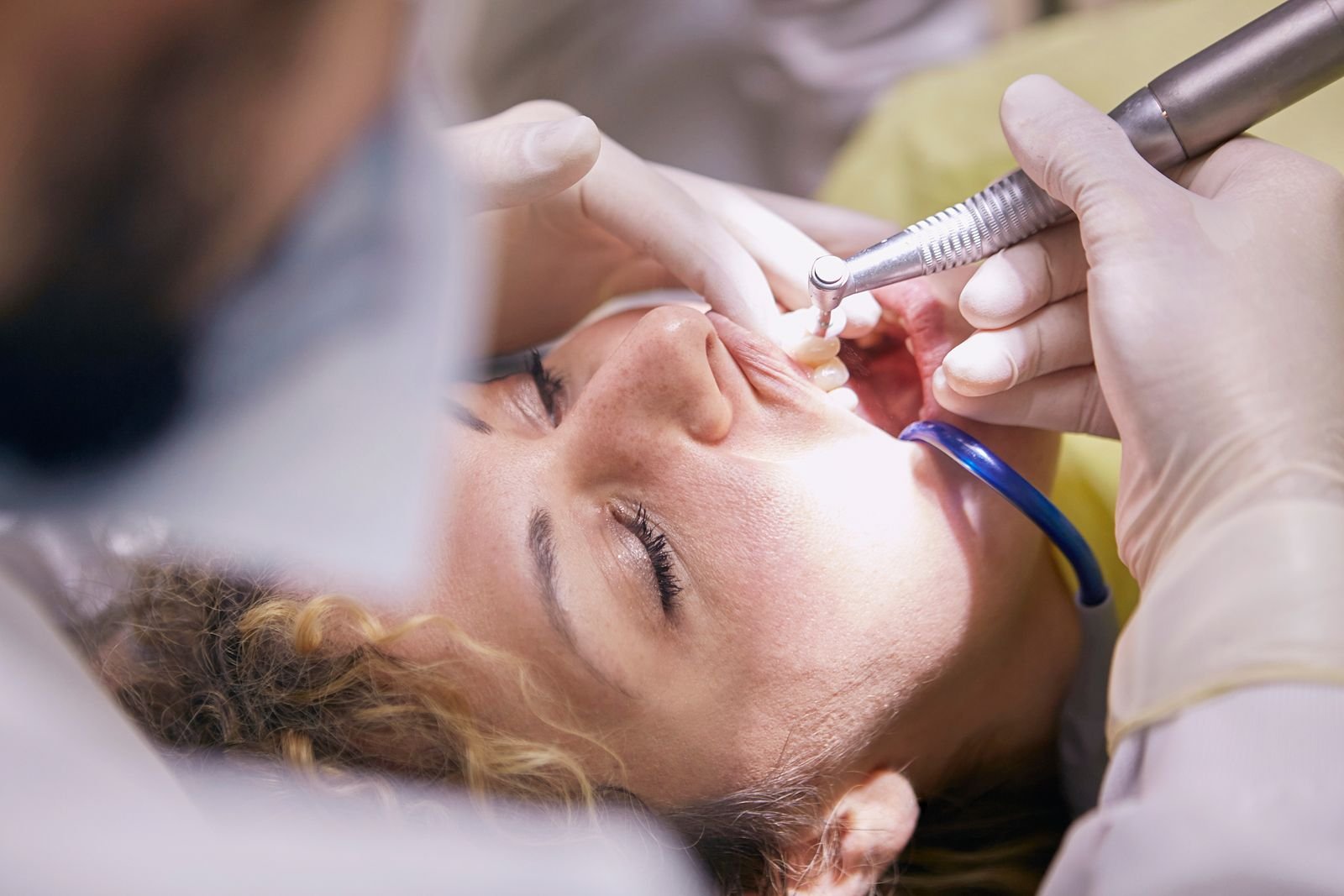
How long do crowns last when they are made and placed in a single visit? Same-day crowns are available, but the timing of the appointment does not replace the need to assess the tooth, bite, fit, and care that affect a crown’s useful life.
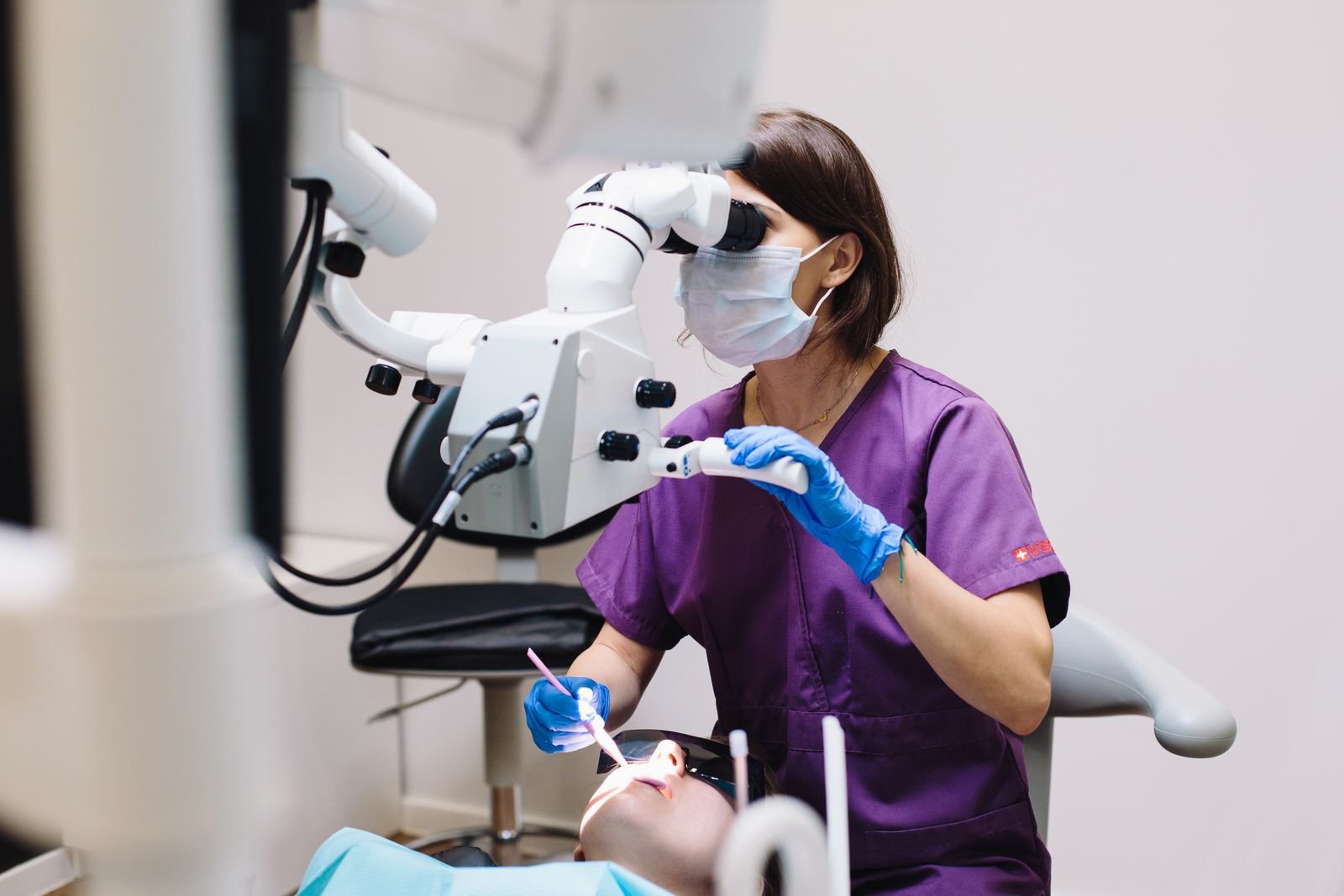
The following images show dental assessment and treatment in a clinical setting, where a dentist can examine tooth condition and restorative needs.
Frequently Asked Questions
Can a crown be repaired instead of replaced?
Sometimes, a small chip or a surface problem can be treated without replacing the entire crown. The dentist considers the damage’s location and extent, along with whether the crown and underlying tooth remain stable.
Can a dental crown affect the teeth beside it?
A crown that contacts a neighboring tooth incorrectly can make flossing difficult or allow food to catch between the teeth. The dentist can assess the contact and adjust the restoration when appropriate.
Does a crown need a special toothbrush or toothpaste?
A regular soft-bristled toothbrush and fluoride toothpaste are suitable for cleaning around most crowns. The important part is reaching the gumline and crown edge without scrubbing aggressively.
Can a crown cause bad breath?
A crown does not usually create an odor by itself, but trapped food, plaque, gum inflammation, or decay around its edge can contribute to bad breath. Persistent odor deserves a dental check to identify the cause.
Can a tooth with a crown still need a root canal?
Yes, the pulp inside a crowned tooth can become inflamed or infected after the crown is placed. A dentist can assess the tooth and determine whether root canal treatment is appropriate.
Conclusion
Dentistry by Design is a restorative and full mouth reconstruction practice in Elk Grove, California, and same-day crowns are available. Dr. Theodore Ionescu assesses whether an older crown remains sound or needs attention.
The age of a crown is a reason to examine its condition, not a general rule for replacement. The answer to how long do dental crowns last depends on what an exam finds about the crown, the supporting tooth, the gums, and the bite.
If any of this matches what you are seeing, the next step is an exam rather than a search. Call Dentistry by Design at (916) 685-4662 or request an appointment. We will show you what the images show and tell you what it will take.