
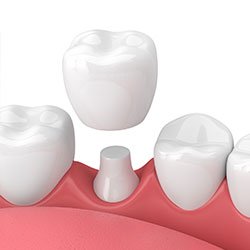
A dental crown that hurts can cause anything from brief sensitivity to pain that needs prompt attention. The pain pattern, how long it lasts, and whether it is improving can help you decide what to do next, but a dental exam is needed to identify the cause.
Key Takeaways
- Mild sensitivity after placement: A little tenderness or sensitivity can happen after crown preparation, but it should trend toward improvement.
- Pain when chewing: A high bite, crack, or another issue can make a crowned tooth hurt under pressure.
- Pain that lingers or returns: Persistent, worsening, throbbing, or night-time pain deserves a dental assessment.
- The crown is not the only possible source: Gum inflammation, decay at the crown margin, a neighboring tooth, or referred pain may be involved.
- Choose safe short-term care: Eat soft foods if needed, keep the area clean, and do not try to adjust or remove the crown yourself.
- Know when to act: Contact a dentist promptly for worsening symptoms, and seek emergency help for spreading swelling or trouble swallowing or breathing.
- For general questions about treatment and what to expect, visit our dental FAQs.
I am Dr. Theodore Ionescu, and I look at this the same way in the chair: the tooth, the bite and the gums get examined together before anyone recommends treatment. Our office on Elk Grove Boulevard keeps sixty minute appointments for exactly this reason, so the exam and the questions are not compressed into ten minutes. If a tooth has already been worked on somewhere else and you want a second opinion, call (916) 685-4662 and bring whatever X-rays you have.
When discomfort after a crown can be part of healing
Mild sensitivity after crown placement can be part of healing. Preparing a tooth for a crown exposes dentin, the layer beneath the enamel, and can temporarily irritate the pulp, or soft tissue inside the tooth.
When a full crown preparation is performed, approximately 1-2 million dentin tubules are exposed, which can lead to increased dentin permeability and subsequent pulpal irritation, according to Yadav et al. This helps explain why a prepared tooth may briefly react to temperature or pressure.
After a permanent crown is placed, mild soreness or sensitivity to hot and cold should gradually ease rather than intensify or continue well after the trigger is gone. Many people find that mild symptoms settle over several days, although some sensitivity can take longer to fade.
A temporary crown may feel less secure or more sensitive than a permanent crown because it is made for short-term use. Call your dentist if it loosens, comes off, or causes worsening pain rather than trying to adjust it yourself.
The dental crowns included among common dental procedures are relevant when considering how a crown fits into restorative care. If a dental crown hurts in Elk Grove, the direction of the symptoms matters as much as the fact that discomfort is present.
Contact a dentist if pain persists, worsens, disrupts sleep, or starts after a long period without symptoms. Pain that begins years after placement calls for an assessment.
Use the pain pattern to understand what may be wrong
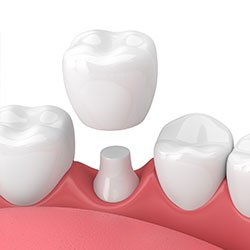
Crown pain when biting or chewing can happen when the crown contacts first. A high bite puts extra force on that tooth, which can make chewing uncomfortable; a dentist can check the contact and make a bite adjustment if needed.
Brief cold sensitivity can come from an irritated nerve that still responds to sensation. Lingering heat or cold pain, spontaneous throbbing, or pain that wakes you at night may point to more significant pulp inflammation, sometimes called pulpitis.
Pain when biting, especially pain that occurs as you release pressure, can also happen with a cracked tooth or crown. Avoid testing the tooth repeatedly with hard foods and arrange an examination to check for damage.
A crowned tooth can also become sore years later. Recurrent decay at the crown margin, a loose or damaged crown, gum inflammation, or changes in the tooth beneath the crown may cause pain after a symptom-free period.
A high bite on a crown is one possible explanation for pain during chewing, but symptoms alone cannot confirm it. Restorative dentistry can address discomfort when chewing and a bite that does not feel right, so a dentist can assess the contact and the crown together.
Did you know? Numerous studies, which have included clinical evaluations by trained examiners through patient-based surveys, have reported dentin hypersensitivity prevalence figures in the range of 15-20%. (Yadav et al., clinical study)
Consider the gums, nearby teeth, and pressure from grinding
Redness, tenderness, or bleeding around a crown can come from irritated gum tissue. Swelling, drainage, or tenderness that is getting worse needs prompt dental attention because the problem may involve more than ordinary surface irritation.
A crown does not make the edge of a tooth immune to decay. Keep the crown margin clean, and have persistent pain or a change in how the crown fits checked; decay can still develop at the edge of a crowned tooth.
Clenching and grinding, also called bruxism, can overload a crowned tooth and make it sore, especially on waking. Tell your dentist if you notice morning jaw tension, worn teeth, or a habit of clenching, since these details can help explain repeated pressure on the tooth.
The painful spot may not be the source of the problem. Pain can be referred from a neighboring tooth or, in some cases, from the sinuses, so the location alone does not establish which tooth or tissue needs treatment.
How a dentist identifies the source of pain
A dentist can check how the teeth meet, inspect the crown and its margins, examine the gums, and use tooth vitality tests and imaging when appropriate. These steps help narrow down possible causes rather than relying on the pain description alone.
A tooth with a living nerve may hurt because of pulp irritation or inflammation. A tooth that has had root canal treatment has no living pulp, but tissues around the root, a crack, the bite, or gum problems can still cause pain and require assessment.
Describe when the pain occurs, what triggers it, how long it lasts, and whether the crown is temporary or permanent. That information helps guide the examination.
A restorative evaluation includes a consultation and exam, digital imaging and a treatment plan, the procedure, a fit and bite check, and follow-up. This evaluation is useful when the cause of crown pain needs to be identified before choosing treatment.
Safe steps for comfort while you arrange care
If biting hurts, choose soft foods and chew on the other side for now. Avoid very hot, cold, or hard foods when they trigger symptoms, since those sensations or forces can aggravate an already tender tooth.
Brush gently and clean between the teeth around the crown so food and plaque do not build up near the gumline. Keep up your normal oral hygiene while avoiding forceful pressure on sore tissues.
Use over-the-counter pain relief only according to its label and your own medical advice. Do not place aspirin or other irritating substances directly on the tooth or gum, because direct application can injure the tissue.
Do not file, loosen, remove, or try to recement a crown yourself. Temporary pain relief should not delay dental care when symptoms are worsening or the crown has become loose or damaged.
Did you know? Dentin hypersensitivity typically afflicts individuals aged 20-49 years, especially 30-39 years. (Yadav et al., clinical study)
Know when to call promptly or seek emergency care
Contact a dentist promptly for worsening or lingering pain, pain when biting, a loose or damaged crown, gum swelling, or symptoms that return after the tooth has been comfortable. These changes need an examination to determine whether the bite, crown, tooth, or gums need treatment.
Seek emergency dental care for severe pain or rapidly increasing swelling. Our emergency dental care is intended for patients who need prompt attention.
Get emergency medical help for spreading facial or neck swelling, difficulty swallowing, or difficulty breathing. Those symptoms can signal a serious and rapidly progressing problem.
After examining the tooth, a dentist may recommend a bite adjustment, crown repair or replacement, treatment for decay or gum problems, or root canal treatment. The appropriate option depends on the examination findings, not on pain alone.
This infographic outlines what to expect when a dental crown hurts, with common symptoms and guidance on what to do next.
Frequently Asked Questions
Can antibiotics fix pain under a dental crown?
Antibiotics do not correct a high bite, a crack, a loose crown, or inflamed pulp. A dentist determines whether an infection is present and whether antibiotics are appropriate alongside treatment of its cause.
Can I floss normally around a crowned tooth that is sore?
In most cases, you can clean between the teeth, but guide the floss gently through the contact rather than snapping it down. When removing it, draw the floss out sideways instead of pulling sharply upward against the crown.
Should I avoid flying with a painful crowned tooth?
Changes in air pressure can sometimes make pain from an already irritated tooth more noticeable during a flight. If your symptoms are severe or escalating before travel, seek dental advice before departure so you can make a plan for the trip.
Can a crown cause an allergic reaction?
Reactions to dental materials are uncommon, and isolated tooth pain is more often related to the tooth, bite, crown fit, or surrounding gum. Report new mouth irritation or other symptoms that appear after placement so a dentist can assess whether the crown material could be involved.
Can gum recession make the edge of a crown sensitive?
Yes. When gum tissue recedes, the exposed root surface near a crown margin can become sensitive because it lacks the same enamel covering as the crown of the tooth.
Does cold sensitivity mean my crown is loose?
No, cold sensitivity by itself does not establish that a crown has loosened. A dentist can assess the crown’s stability and the tooth’s response to temperature to distinguish a fit problem from sensitivity in the tooth.
Conclusion
A dental crown that hurts may reflect short-term sensitivity, a bite issue, a problem at the crown margin, gum irritation, or a change in the tooth beneath it. Pay attention to whether pain is improving, lingering, triggered by pressure, or returning after a comfortable period.
Choose gentle short-term measures, avoid trying to alter the crown yourself, and arrange dental care for persistent or worsening symptoms. If you have severe pain, rapidly increasing swelling, or difficulty swallowing or breathing, seek urgent help.
If any of this matches what you are feeling, the next step is an exam rather than a search. Call Dentistry by Design at (916) 685-4662 or request an appointment. We will show you what we see and tell you what it will take.