
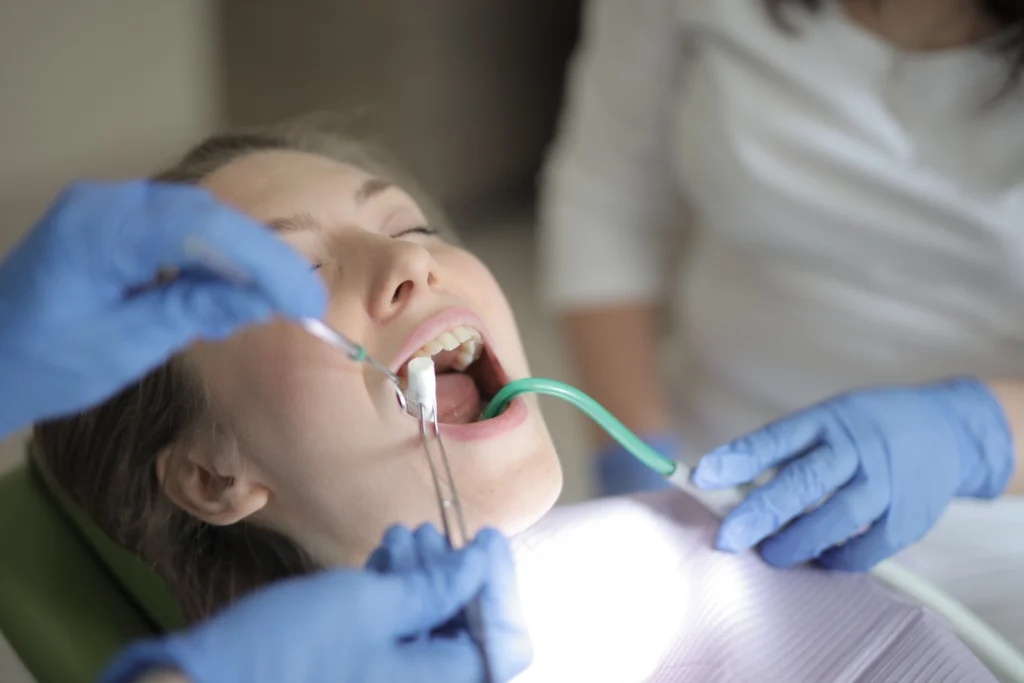
If you gag in the dental chair, you are not alone. Many patients experience throat tension that makes routine visits feel bigger than they should, but you can learn practical ways to calm your body before and during treatment at Dentistry by Design in Elk Grove.
Quick note: If you have a history of choking, breathing concerns, or medical conditions that affect swallowing, tell our team at your appointment. We can tailor comfort strategies to your needs.
What Causes a Sensitive Gag Reflex?
A sensitive gag reflex usually shows up when the nerves and muscles in the throat become overly reactive. That reaction can be triggered by pressure, gag-trigger positions, the feeling of instruments near the back of the mouth, or even by anxiety that tightens your throat muscles before anything starts.
In many cases, the reflex is less about “fear of the dentist” and more about the body going into a protective mode. When your throat is tense, it becomes easier to gag, and your mind often interprets that sensation as a threat, which then increases tension even more.
Why Anxiety and Tension Make Gagging More Likely
Dental anxiety can affect your breathing and muscle control. When you anticipate gagging, your throat often tightens, and that tension can make the gag reflex easier to trigger.
Many patients also worry about swallowing saliva, feeling trapped, or being unable to “stop it” once the reflex starts. That pressure in your head and body can keep you stuck in the same cycle, even during routine cleanings.
If you recognize yourself in this pattern, it can help to review comfort-centered approaches. You may find useful guidance in our article on dental anxiety, which covers why people feel nervous and how to build trust before treatment begins.
Patient Comfort Options at Dentistry by Design
At Dentistry by Design, our focus is making your visit as comfortable as possible. If you struggle with a gag reflex or anxiety, let us know upfront so we can plan your visit with extra care.
Depending on the treatment, we can discuss comfort options that may include gentle communication, pacing that respects your boundaries, and supportive techniques designed to keep you relaxed.
5 Calm-Down Techniques to Cope With Gagging
Use these strategies to reduce throat tension and help your body feel safer in the dental chair. The goal is not to force yourself to “not gag,” but to train your nervous system and muscles to stay calm and steady.
1) Diaphragmatic Nasal Breathing (for less throat tension)
Diaphragmatic nasal breathing engages your diaphragm and can help reduce throat tension. It also helps prevent dryness, which can be uncomfortable and may contribute to gagging for some patients.
How to do it: Sit comfortably, breathe in through your nose, and let your belly expand. Then exhale slowly, keeping your shoulders relaxed. Practice this for a few minutes before your appointment, and you can repeat it during treatment if you feel your throat tightening.
2) Tongue Exposure (“Desensitization”) Exercise
Some patients improve gag control by gradually desensitizing the area that triggers the reflex. This technique involves gently touching the back one-third of the tongue to train the nerves through careful, gradual exposure.
How to do it: Only do this if it feels safe for you and you are comfortable with the approach. Start gently and gradually move closer toward the throat area as your tolerance improves. Stop if you feel panicked or if it causes significant discomfort.
Important: This is a training exercise, not a test of willpower. The aim is gradual familiarity, not pushing through strong reactions.
3) Soft Palate Stretch Using a “Yawning Mimic”
The soft palate and throat muscles can contribute to gag sensitivity. A gentle stretching routine that mimics yawning can help you relax those areas before you sit in the chair.
How to do it: Try a slow, controlled yawn-like motion, keeping it comfortable. Do not strain. Think of this as a warm-up for your mouth and throat, the same way you might gently stretch before exercise.
4) P6 Acupressure Point Stimulation
Acupressure can support calm and comfort for some people. The P6 point is commonly used as a calming pressure technique, and gentle stimulation may help you feel more grounded during a stressful appointment.
How to do it: Ask our team for guidance on where to place your fingers if you want to use this technique. You can practice it at home, then use it during your visit if it helps you stay steady.
5) “Open Curtain” Visualization
Your mind can help your body regulate. “Open curtain” visualization is a simple mental exercise designed to reduce the sense of confinement and fear in the chair.
How to do it: Picture a curtain opening and letting tension “fall away.” Keep the imagery gentle and reassuring. Pair this with slow breathing so your nervous system receives a consistent calming message.
Putting It All Together: A Simple Plan for the Days Before and During Your Visit
Consistency matters. In the days leading up to your appointment, practice your chosen exercises once or twice daily. On the day of treatment, give yourself about 5 minutes to do your favorite combination.
Start small. If you only have time for one technique, choose diaphragmatic nasal breathing or a calming visualization exercise. Over time, you can build confidence because your body begins to expect calm instead of danger.
What to aim for: less throat tension, steadier breathing, and a stronger sense of control once you are in the chair.
How We Support Comfortable Appointments in Elk Grove
Not every visit is the same, and neither is gag sensitivity. The more we understand your triggers, the easier it is for our team to adjust pacing and comfort strategies during common procedures.
If you are scheduling upcoming work, it can help to review what treatments might involve. For example, our overview of common dental procedures can help you anticipate what typically happens during care and why certain comfort steps matter.
And if you are dealing with orthodontic planning, you can also consider comfort-forward information on Invisalign® treatment, especially if you prefer a discreet, removable option.
When to Ask for Extra Help
If you gag every time, feel overwhelmed even before appointments start, or have had unpleasant experiences in the past, bring that up early. Your comfort plan should start at the phone call, not after you are already in the chair.
Our team can also help you think through timing and expectations. If you need urgent care, our approach stays gentle and prompt, and you can still request comfort-focused adjustments. Learn more about emergency dental care if you are dealing with pain or a sudden issue.

Related Comfort Topic: If You’re Triggered by Hot, Burned Sensations
Some people notice that oral sensitivity and gag discomfort can flare up after certain experiences, like burning the inside of the mouth. If that sounds like you, you may find helpful relief strategies in our article about soothing a burnt mouth.
It’s common
Gag Reflex at the dentist is common, and it does not mean you are failing or “not tough enough.” It usually comes from throat tension and a heightened reflex response, and that pattern can improve with targeted calm-down techniques.
Try the breathing, desensitization, gentle soft-palate stretching, P6 acupressure, and open-curtain visualization exercises. Practice once or twice daily in the days before your visit, then spend about 5 minutes on your chosen combination right before treatment. With the right support and a plan that feels doable, you can approach dental care with more confidence and less fear.
FAQ
Is a gag reflex something I can control during an appointment?
Many patients can reduce gagging by lowering throat tension and using calming techniques. Your goal is steadier control, not perfection, and practicing before your visit often makes a big difference.
What if the exercises make me more anxious?
Stop and simplify. Choose one technique, like diaphragmatic nasal breathing or visualization, and practice only for a short amount of time. If anxiety remains high, tell our team so we can adapt your comfort plan.
Should I tell the dentist about my gag reflex?
Yes. Sharing your triggers helps us pace your care and support you with the right adjustments from the start.
Can gag reflex issues affect cleanings and routine visits?
They can, but that does not mean you cannot get regular care. With the right comfort strategies and communication, routine appointments can become much more manageable.