
A damaged tooth or missing tooth can range from a small chip to an urgent dental injury, and the right next step depends on what happened and how much of the tooth remains. For adults in Elk Grove, we explain how to protect the area, when to seek urgent care, and how dentists weigh repair, replacement, or monitoring.
Key Takeaways
- Is a knocked-out adult tooth an emergency? Yes. Handle it by the crown, not the root, and seek dental care immediately because prompt treatment can improve the chance of saving it.
- Does every chipped tooth need emergency care? A small chip without pain is usually less urgent, but a crack, sharp edge, or new sensitivity still needs assessment.
- How can you protect a broken tooth? Save fragments in milk or saline, rinse gently, cover sharp edges with orthodontic wax, and avoid chewing on that side.
- Can a dentist restore a damaged tooth? Bonding, a crown, or root canal treatment may help, depending on the crack’s depth, pulp involvement, and remaining tooth structure.
- Does every missing tooth need replacement? No. A dentist weighs bite, tooth position, neighboring teeth, bone and gum health, and your priorities before recommending replacement or monitoring.
- How do you arrange an assessment? You can contact our Elk Grove dental team to discuss your next step.
I am Dr. Theodore Ionescu, and I look at this the same way in the chair: the tooth, the bite and the gums get examined together before anyone recommends treatment. Our office on Elk Grove Boulevard keeps sixty minute appointments for exactly this reason, so the exam and the questions are not compressed into ten minutes. If a tooth has already been worked on somewhere else and you want a second opinion, call (916) 685-4662 and bring whatever X-rays you have.
Recognize which tooth problems need urgent care
A knocked-out adult tooth, also called an avulsed tooth, needs immediate dental attention. Hold it by the crown, the visible chewing surface, and avoid touching the root because damage to the root surface can reduce the chance of successful treatment.
Do not put a knocked-out baby tooth back into its socket. Contact a dentist for advice instead, because reinserting it could harm the developing adult tooth underneath.
Our Emergency Dental Care is intended to provide prompt, gentle care when a tooth problem cannot wait. It suits situations such as a knocked-out adult tooth, a deep break, severe or worsening pain, swelling, uncontrolled bleeding, or signs of infection.
Seek emergency medical help as well if the injury may involve significant damage to the head or face. A dental injury can happen alongside other trauma that needs immediate medical assessment.
A small chip in tooth enamel without pain is usually less urgent than a deep break, but do not ignore a crack, sharp edge, or new sensitivity. Damage can extend beyond what you can see, and a dentist can assess whether the tooth needs protection or repair.
Protect the tooth while arranging care
If a tooth chips or breaks, save any fragment and bring it to the appointment. Keep it in milk or saline rather than letting it dry out, so the dentist can assess whether it may help with repair.
Rinse gently with warm water to clear debris, then use a cold compress on the cheek if there is swelling. Keep ice off the tooth itself, since direct contact can increase discomfort.
Cover a sharp edge with orthodontic wax if you have it, and choose soft foods until the tooth is assessed. Chew on the other side to limit pressure on the damaged area.
Do not glue a fragment back, place aspirin on the tooth or gum, or try to smooth a crack yourself. Glue can complicate treatment, aspirin can injure soft tissue, and filing the tooth can remove sound structure or worsen the damage.
How a dentist decides whether a damaged tooth can be saved
To decide whether we can restore a damaged tooth, we assess where the chip or crack sits, how deep it runs, whether the tooth moves, and what symptoms you have. We also check whether the pulp, the soft tissue inside the tooth that contains nerves and blood vessels, is affected.
Dental X-rays and an examination help assess the roots, surrounding bone, and decay that may not be visible at the surface. A crack that extends below the gumline or into the root can make a tooth harder to restore because the remaining structure may not support a durable repair.
Damage to the pulp does not always mean a tooth must be removed. Root canal treatment can address inflamed or infected pulp, and a crown may then cover and reinforce the remaining tooth.
A severe fracture or too little sound tooth structure may make extraction more appropriate. Pain alone does not show how serious a crack is: some fractures cause little discomfort at first and become more noticeable with biting or temperature changes.
Our restorative dentistry in Elk Grove focuses on rebuilding tooth function and strength, from a single repair to more extensive treatment. For adults considering care, including those between 35 and 60, the condition of the whole mouth matters, not appearance alone.
Did you know? Among the samples (n = 471,107, mean age 55 years), 10% reported losing six or more but not all teeth. (Frontiers in Big Data)
Common ways to repair a chipped, cracked, or broken tooth
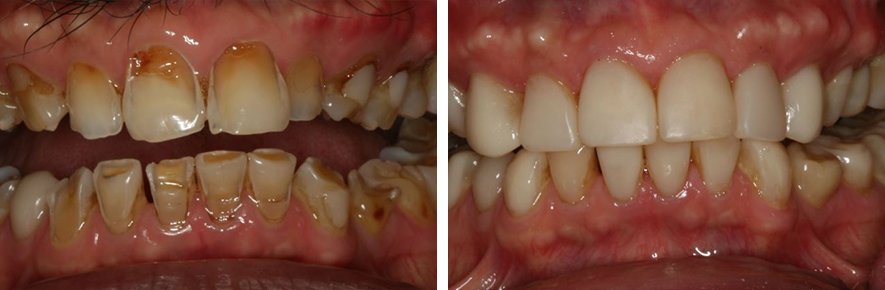
For a small chip or limited break, tooth-colored composite bonding can rebuild the missing area while preserving more natural tooth structure. The material is shaped to restore the tooth’s contour, making bonding a practical repair when the remaining tooth is stable.
A crown covers a tooth and helps reinforce it when damage is more extensive. If the pulp is inflamed or infected, root canal treatment may be needed before the crown is placed.
crown treatment use the CEREC system to provide a new crown in a single visit, without a temporary crown or second appointment. This option suits a tooth that needs full coverage and has enough healthy structure to support a crown.
We also offer information about same-day CEREC crowns for people considering a crown after a break or crack. A crack that reaches the root, or leaves too little sound tooth to hold a restoration, may not be predictably repairable, so the dentist may discuss extraction and replacement.
After a repair, avoid biting hard foods such as ice or hard candy with that tooth. Concentrated force can chip a restoration or extend a crack.
What can change after a tooth is lost
A gap can make chewing less comfortable or efficient, especially if the missing tooth plays a key role in biting or grinding food. Nearby teeth may drift toward the space, while the opposing tooth may move into it and change how the teeth meet.
After a tooth is lost or extracted, the jawbone in that area may gradually shrink because it no longer receives the same stimulation from the tooth root. This process, known as jawbone resorption, can affect the support available for some replacement options.
The cause and timing of tooth loss matter. A tooth knocked out through dental trauma needs urgent attention, while a tooth that has been extracted and a gap that has been present for some time call for a planned assessment of healing, bite, and oral health.
We consider the tooth’s location, bite, neighboring teeth, gum and bone health, and your comfort and priorities before discussing replacement. Monitoring can be reasonable when function and oral health are stable, but it should be a considered plan because bite and tooth-position changes may develop over time.
The CDC’s 2024 Oral Health Surveillance Report states that the mean number of missing teeth increased with age, from 0.7 teeth at 20-34 years to 3.8 teeth at 50-64 years. For extensive tooth loss or multiple failing teeth, full-mouth reconstruction can involve a coordinated plan to restore function across the mouth.
Compare implants, bridges, and partial dentures
Compare missing tooth replacement options
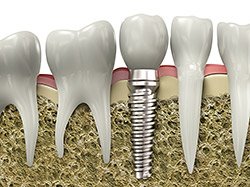
A dental implant replaces a tooth root and supports a crown. It requires adequate bone and healthy gums, and treatment includes healing time before the final tooth is placed.
Dental Implants can replace a missing tooth or a whole arch with a permanent, natural-looking solution. They suit people comparing a root-supported replacement, while the dentist assesses bone and gum health and the treatment needed for healing.
For more information about this approach, explore our page on dental implants. An implant replaces the root as well as supporting a crown, while a crown placed on a natural tooth covers that tooth without replacing its root.
A dental bridge fills a gap by attaching a replacement tooth to neighboring teeth. It can suit some situations, but the supporting teeth need preparation to hold the bridge.
A removable partial denture replaces one or more teeth and can be taken out for cleaning. It may feel different from a fixed option when eating or speaking, so comfort and the daily cleaning routine should factor into the decision.
| Option | How it works | Key decision factors |
|---|---|---|
| Implant and crown | A post replaces the root and supports a crown after healing. | Bone and gum health, healing needs, and cleaning around the implant. |
| Bridge | A replacement tooth attaches to prepared neighboring teeth. | The condition of the supporting teeth and cleaning beneath the bridge. |
| Removable partial denture | A removable appliance replaces one or more teeth. | Fit, comfort during eating and speaking, and the routine for removal and cleaning. |
Compare these options based on neighboring-tooth condition, bone and gum health, treatment and healing needs, cleaning, and personal priorities rather than appearance alone. This helps connect the choice to your bite and daily routine, not just the visible gap.
This infographic compares restorative options for damaged or missing teeth. It highlights possible ways to restore tooth function and appearance.
Did you know? Among the samples (n = 471,107, mean age 55 years), 30% reported losing one to five teeth. (Frontiers in Big Data)
Care for repairs and replacements over time
Brush twice daily with fluoride toothpaste and clean between your teeth every day. Careful cleaning around crowns and bridge supports helps limit plaque buildup and gum problems.
Clean around an implant crown and along the gumline as carefully as you clean natural teeth. The tissues around an implant still need regular plaque removal to stay healthy.
Our Bridges and dentures are among our restorative options for replacing missing teeth. Remove a partial denture for cleaning as directed, and clean the spaces around remaining natural teeth where food and plaque can collect.
Keep routine dental checkups so we can assess repairs, replacements, gums, and bite changes. Regular review can help identify wear or shifting early, before it interferes further with comfort or function.
Frequently Asked Questions
What illnesses can cause teeth to loosen or fall out?
Periodontitis, an advanced form of gum disease, damages the tissues and bone that support teeth and can lead to loosening or tooth loss. Diabetes and some conditions or medicines that affect immune response or bone health can also influence oral health and the stability of teeth.
Why might a tooth break off at the gumline?
Extensive decay can weaken the tooth until the remaining structure fractures near the gumline. A large filling, repeated heavy biting forces, or an injury can also leave a tooth vulnerable to breaking at its base.
Can a cracked tooth heal on its own?
No, a crack does not knit back together like a broken bone. The dentist’s goal is to limit further damage and protect the tooth with an appropriate repair, because a crack can progress under repeated chewing forces.
Can a tooth be cracked even if it does not hurt?
Yes. Fine enamel lines called craze lines can be shallow and painless, while a deeper crack may also cause few early symptoms; an examination helps tell the difference.
Why can a tooth turn dark after an injury?
Discoloration after trauma can occur when the tooth’s inner tissue has been affected. A darkening tooth deserves a dental assessment even if the injury happened earlier and the tooth is not currently painful.
How soon can a permanent tooth be placed after an extraction?
Timing depends on the tooth site, healing, infection, and the amount of bone available. A dentist may plan placement at extraction or after a healing period, based on what will best support the restoration.
Conclusion
Whether you have a chipped tooth, a deep fracture, or a gap after tooth loss, the next step depends on urgency, tooth structure, and the health of your bite. We help adults in Elk Grove understand when to seek care and compare ways to repair, replace, or monitor a damaged tooth or missing tooth.
If any of this matches what you are feeling, the next step is an exam rather than a search. Call Dentistry by Design at (916) 685-4662 or request an appointment. We will show you what we see and tell you what it will take.