
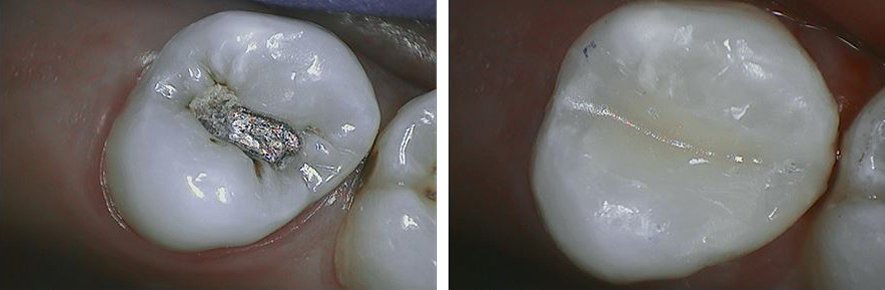
Worn teeth and jaw discomfort can occur together, but tooth wear alone does not show what is causing pain or whether grinding is happening now. Understanding the wear pattern, where symptoms occur, and what triggers them can help you prepare for a useful dental evaluation. This is general information, not a diagnosis; an examination is needed to determine the cause in your case.
Key Takeaways
- Flattened teeth, chips, cracks, or sensitivity may signal wear or damage, but the appearance of teeth cannot identify the cause on its own.
- Pain focused on one tooth may have a different source from soreness across the jaw muscles or discomfort that changes with jaw movement.
- Clenching and grinding can contribute to tooth wear and muscle soreness, but visible wear does not prove current bruxism.
- A dental evaluation may include checking teeth, restorations, gums, bite, jaw movement, and muscle tenderness.
- Treatment should address the diagnosed cause, whether that means conservative care, protection from grinding, repair of a tooth, or rebuilding worn teeth.
- Persistent or worsening symptoms need attention, and pain with swelling, fever, injury, or emergency symptoms calls for prompt care.
I am Dr. Theodore Ionescu, and I look at this the same way in the chair: the tooth, the bite and the gums get examined together before anyone recommends treatment. Our office on Elk Grove Boulevard keeps sixty minute appointments for exactly this reason, so the exam and the questions are not compressed into ten minutes. If a tooth has already been worked on somewhere else and you want a second opinion, call (916) 685-4662 and bring whatever X-rays you have.
How to recognize tooth wear and its different patterns
Signs of tooth wear include flattened biting surfaces, teeth that look shorter than before, small chips, cracks, and new sensitivity. These changes can point to wear or damage, but they do not show by themselves what caused it or whether it explains current jaw discomfort.
Tooth-to-tooth wear, called attrition, often creates flat facets where opposing teeth meet. Grinding or clenching can contribute to this pattern, though visible facets may remain long after any active behavior has changed.
Abrasion is mechanical wear from repeated contact, such as forceful brushing or another repeated habit. Erosion is chemical loss of tooth structure from acids, including acids in food and drinks or stomach acid; the pattern can help a dentist ask about brushing technique, diet, or other relevant exposures.
Tooth enamel is the hard outer covering of a tooth. When wear exposes the softer dentin underneath, cold, sweets, or brushing can trigger sensitivity, although sensitivity can also come from decay, a crack, gum recession, or a problem with a filling or crown.
When considering teeth wearing down, look for changes over time rather than relying on one glance. A photo from an earlier date may help you describe a change, but a dentist needs to examine the teeth to distinguish wear from natural tooth shape or other damage.
Tell tooth pain apart from jaw joint or muscle symptoms
Pain that seems centered on one tooth, especially when biting or exposed to temperature or sweets, can come from decay, a crack, exposed dentin, or damaged dental work. Pain from a tooth can sometimes spread toward the jaw, making the precise source harder to identify without an examination.
Soreness across the cheek or temple, tender jaw muscles, or discomfort that changes with opening and chewing can fit muscle or temporomandibular disorder symptoms. The temporomandibular joints connect the lower jaw to the skull, but an examination is needed to determine whether the joint, muscles, teeth, or another structure is involved.
Clicking, popping, limited opening, or locking can occur with temporomandibular disorders. A painless click alone does not establish a disorder that needs treatment.
Jaw-area pain can also come from gum problems, infection, decay, a cracked tooth, or a damaged filling or crown, so tooth symptoms deserve attention even when the discomfort feels more widespread.
A cracked tooth or damaged filling can hurt when you bite because chewing puts pressure on the affected area. Some cracks cause sharp pain only when pressure is released, while others cause intermittent symptoms that are difficult to locate.
Did you know? After propensity score matching, pain (P = 0.307), joint noise (P = 0.515), restricted mouth opening (P = 0.791) and condylar bony degeneration (P = 0.747) were not significantly different between the severe tooth wear group and the mild tooth wear group (74 cases vs. 141 controls). (BMC Oral Health study authors)
How clenching and grinding may contribute
Repeated tooth-to-tooth contact from teeth grinding can flatten biting surfaces and chip teeth. Sustained jaw clenching can tire or strain the muscles, leaving them sore or tight.
Jaw soreness on waking can be associated with sleep-related clenching or grinding. Sleep position, muscle tension, dental problems, and other factors can also contribute to symptoms after waking.
To assess whether grinding is contributing, a clinician considers the pattern and condition of the teeth alongside jaw movement and muscle findings. Older wear can remain visible even when it is no longer progressing, so appearance alone cannot establish current activity.
Stress may contribute to clenching for some people, but it does not prove that someone has a temporomandibular disorder or explain every symptom. Avoid self-diagnosing from tooth shape or assuming that a bite imbalance is the sole cause of jaw pain.
What a dental evaluation can establish
Before an appointment, note when the discomfort began, when it occurs, what triggers it, and whether it seems connected to a particular tooth or jaw movement. Include whether the symptoms are changing, whether chewing makes them worse, and whether discomfort appears on waking or later in the day.
A dentist may inspect wear facets, chips, cracks, sensitivity, decay, gum health, and fillings or crowns. The assessment can also include the way the teeth meet, how the jaw moves, and whether the jaw muscles are tender.
Dental imaging may help assess tooth roots, decay, infection, or other structures when the history and examination point to a need for it. The type of imaging depends on the findings and the question the dentist needs to answer.
Comparing the wear pattern with symptoms and examination findings helps distinguish older changes from signs of active damage. It also helps determine whether a tooth, restoration, bite, or jaw muscles may be contributing to current discomfort.
For readers in Elk Grove, our practice focuses on restorative work, full mouth reconstruction, and pain-free dentistry. You can read about the range of restorative and advanced dental treatments as you consider what an evaluation may involve.
This infographic highlights concerns related to worn teeth and jaw discomfort to discuss with a dental professional.

Choose treatment for the cause, not just the appearance
Treatment depends on what the evaluation finds. For muscle-related discomfort, a clinician may recommend temporarily choosing softer foods and avoiding gum or very wide opening; these steps can reduce strain, but persistent symptoms still need assessment.
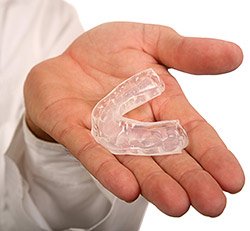
A protective appliance, such as a night guard, may suit a patient when the evaluation supports protecting teeth from grinding or clenching. The appliance should match the diagnosed problem, rather than replace an assessment of why the teeth or jaw hurt.
Decay, a cracked tooth, or a damaged restoration may need dental repair. Rebuilding worn or damaged teeth depends on their condition, function, and place in the overall plan; cosmetic aesthetic dentistry may also matter when appearance is a goal.
A limited chip or small area of decay may suit a conservative repair, such as a filling or bonding, when enough sound tooth remains. More extensive structural loss, or a crack affecting the tooth’s strength, may call for a restoration that covers more of it. The choice depends on the damage’s location and depth, the remaining healthy tooth, bite forces, and whether the underlying cause is still active. A restoration cannot by itself stop ongoing grinding or acid exposure, so the plan should address those contributors too.
When extensive wear, broken teeth, missing teeth, or uncomfortable chewing affect several areas, full mouth reconstruction may be considered. For people with lost bite height or a bite collapse, planning must address chewing function as well as appearance and the condition of the remaining teeth.
Before agreeing to extensive reconstruction or an irreversible bite adjustment, ask what examination findings support the recommendation, what less extensive options are suitable, and what benefits, risks, and alternatives apply. The plan should explain how the identified cause will be managed as well as how comfort and chewing function will be restored. If the rationale or sequence is unclear, seeking a second opinion before proceeding is reasonable.
For adults looking for care for worn teeth in Elk Grove, treatment should start with the cause and the overall state of the mouth, not just the visible length or shape of the teeth. A plan for several teeth may involve different restorative steps, with the sequence based on the findings and the goals for comfort and function.
Did you know? In 1911 TMD patients, 81 patients (4.24%) suffered from severe tooth wear. (BMC Oral Health study authors)
These figures come from the linked BMC Oral Health study and describe findings in its study groups, not a diagnostic rule or proof that wear caused jaw symptoms. In the comparison, pain, joint noise, restricted opening, and condylar changes were not statistically different between groups; that means the analysis did not detect a group difference for those measures, not that symptoms can never accompany wear. The 4.24% figure describes severe wear within the reported TMD patient sample, not the chance that a person with worn teeth has TMD. Use the findings as context, while relying on an individual examination to assess symptoms.
When to arrange care and when to seek urgent help
Arrange a dental assessment for persistent or worsening jaw discomfort, tooth sensitivity, pain when biting, visible cracks, or a loose or damaged restoration. These symptoms can have treatable dental causes, and waiting can allow some problems to progress.
Seek prompt dental or medical care for tooth or jaw pain with facial swelling, fever, an injury, or difficulty opening the mouth. These signs can accompany an infection or trauma that needs timely attention.
Get emergency medical help for jaw pain accompanied by chest pressure, shortness of breath, faintness, or other symptoms that could signal a medical emergency. These symptoms can signal a medical emergency even when jaw pain seems related to teeth or the jaw joint.
While waiting for an appointment, avoid chewing hard foods on a painful tooth. Do not start using a night guard or try to repair a tooth yourself without guidance on the source of the symptoms.
Frequently Asked Questions
Is TMJ related to arthritis?
Yes, arthritis can affect the temporomandibular joint, just as it can affect other joints. Jaw pain or clicking alone does not establish arthritis, which requires clinical assessment.
Can stress cause a temporomandibular disorder?
Stress can increase muscle tension or contribute to habits such as clenching, which may affect jaw comfort. It is one possible influence, not a diagnosis or a complete explanation for symptoms.
Can tooth sensitivity and jaw soreness have the same cause?
They can occur together when a tooth problem causes pain that spreads toward the jaw, but they can also come from separate issues. A clinician can compare the location and triggers of each symptom to help distinguish them.
What causes the lower jaw to move forward?
The lower jaw moves forward through normal muscle action when you protrude it, such as during some movements of speaking or chewing. A persistent change in jaw position can relate to how the teeth meet or how the jaw joint and muscles function, so an examination can help identify the reason.
Can enamel grow back after teeth wear down?
Lost enamel does not grow back because the body cannot replace the tooth structure once it is gone. A dentist can assess the remaining enamel and determine whether protection or restorative treatment is appropriate.
Can a night guard restore worn teeth?
A night guard can protect teeth from damaging contact when it is appropriate for the diagnosed problem, but it does not rebuild tooth structure that has already been lost. Restoring worn surfaces requires a separate dental plan based on the teeth and bite.
How to tell if teeth are worn?
A change from your usual tooth shape, especially with new sensitivity, is a reason to book a dental evaluation.
What tooth issues cause jaw pain?
Tooth decay, a cracked tooth, exposed dentin, gum problems or infection, and a damaged filling or crown can cause pain that may spread toward the jaw. Pain when biting or sensitivity to temperature or sweets can help point to a tooth as the source.
Conclusion
Worn teeth and jaw discomfort may share a cause, but the connection is not always straightforward. Wear patterns, tooth-specific symptoms, jaw movement, and muscle tenderness all help guide an evaluation, while none of them alone confirms the diagnosis.
If symptoms persist, worsen, or include signs such as swelling or fever, arrange care rather than guessing at the cause. A dental assessment can help identify the problem and guide treatment that protects comfort, function, and the health of your teeth.
If any of this matches what you are feeling, the next step is an exam rather than a search. Call Dentistry by Design at (916) 685-4662 or request an appointment. We will show you what we see and tell you what it will take.