
What can make a filling come loose repeatedly?
A patient sits down and tells me the same tooth lost another filling. That sentence alone does not tell me why fillings keep falling out. Recurrent decay, a crack, bite pressure, wear, and a weak bond can all do it. A loose filling does not tell you which one is at work. It also does not mean the dentist or the material did a poor job.
Recurrent decay is new decay at the edge of a filling or under it. It weakens the tooth that supports the restoration. The filling can loosen before it looks worn or broken.
Composite fillings stay in place with a resin adhesive. Saliva or blood in the field can weaken that bond. A failed bond is only one possibility.
Amalgam fillings stay in place mostly by the shape of the prepared tooth, not by glue. Composite and amalgam both fail under repeated stress. They also wear over time.
Clenching, teeth grinding, a heavy bite, and hard or sticky foods load a filling repeatedly. A crack, a large filling, or too little sound tooth structure can make another restoration less likely to hold.
A filling that falls out soon after placement could be decay, bite stress, a crack, wear, or a bond problem. I need an examination to sort it out. The timing alone does not prove the cause.
How to recognize a loose filling or a chipped tooth
A missing filling can leave a hollow or a rough edge your tongue finds. A loose filling may shift, catch food, or change how the tooth feels when you bite.
A hard fragment could be filling or tooth. You cannot tell by looking at it. Either one leaves the tooth more exposed to pressure, food, and temperature.
Cold, heat, sweets, or pressure can cause sensitivity when inner layers are exposed. No pain does not rule out decay or a crack. Do not wait for severe discomfort.
Contact a dentist promptly if a filling is loose or has fallen out. Seek urgent dental care for severe or worsening pain, swelling in the face or gums, fever, or other signs of infection.
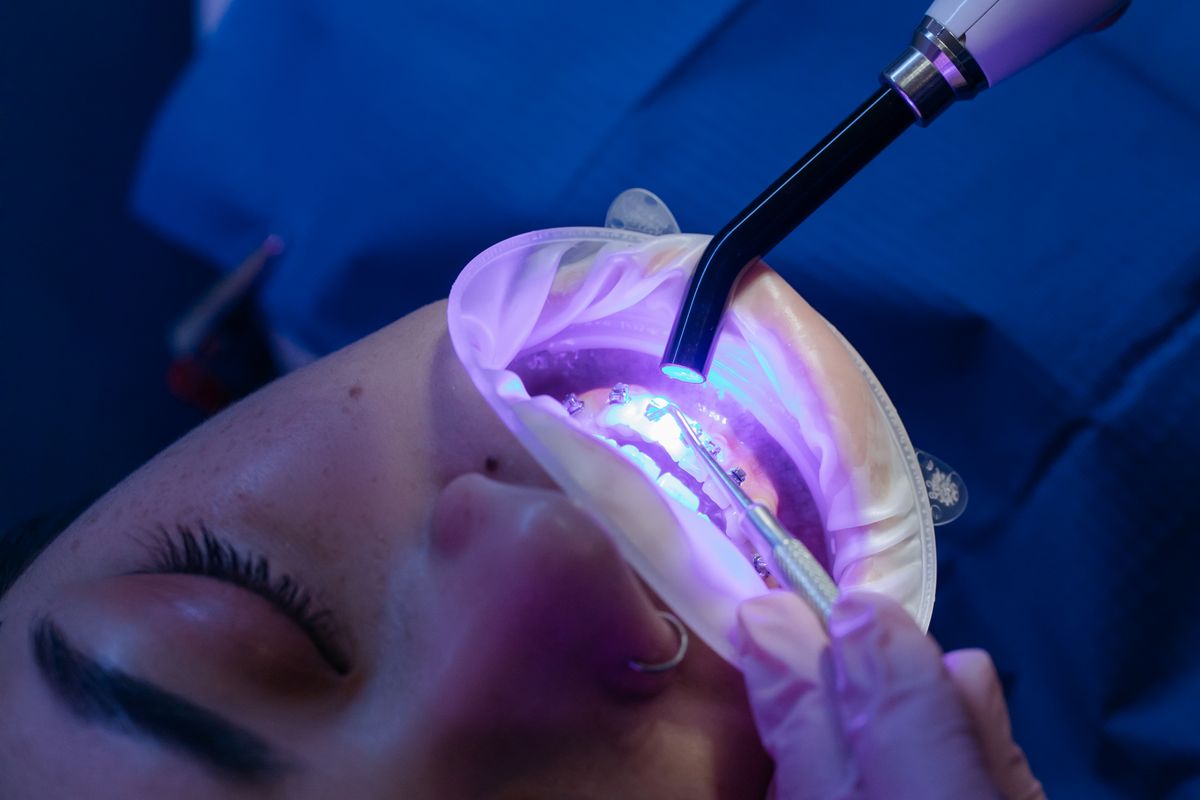
Fillings that keep failing usually trace back to bite forces nobody checked. I am Dr. Horia Theodore Ionescu. In my chair, I look at the remaining tooth and the bite before I place another restoration. We see fewer patients per day than a typical office. Appointments can run 60 minutes or longer. That leaves time to adjust the contact. Erin handles scheduling, treatment planning, and financial coordination. Alyssa manages the office. Leticia and Sarah are our registered dental assistants with Expanded Functions II licenses. Leticia has more than 20 years of clinical experience. Sarah has been an RDA since 2006. The practice holds 4.9 stars from over 600 patient reviews. Our sterilization center is state of the art. Reusable instruments are autoclaved and monitored by an outside lab. Filtered air runs throughout the office and PPE is worn on every procedure. We follow ADA, CDA, CDC, and OSHA infection control guidance. You can reach Dentistry by Design at 9381 E Stockton Blvd, Suite #100, Elk Grove, CA 95624. Phone: (916) 685-4662. Hours are Monday through Friday, 7:30am to 4:30pm. We are closed weekends. We offer a dental savings membership club and CareCredit financing.
What to do until the tooth is examined
Schedule an appointment promptly. Chew on the other side. Eat soft foods. Skip hard or sticky foods. Avoid very hot or cold items if they trigger discomfort.
Brush gently around the tooth and rinse carefully. Do not dig into the hollow. Do not force a loose filling back into place. Both can irritate or damage the tooth.
For practical guidance while waiting, A Filling Fell Out: What Protects the Tooth Until Your Visit? explains how to protect the tooth for the next 24 to 48 hours, which symptoms need urgent care, and what repair options I will evaluate. It is a useful resource before the exam.
Temporary filling material can provide short-term protection when used as directed. It is not a permanent repair. Do not let it delay a dental exam.
Do not use household glue or other adhesives on a filling. They are not safe for the mouth and can make treatment harder.
What a dentist checks when the same filling fails
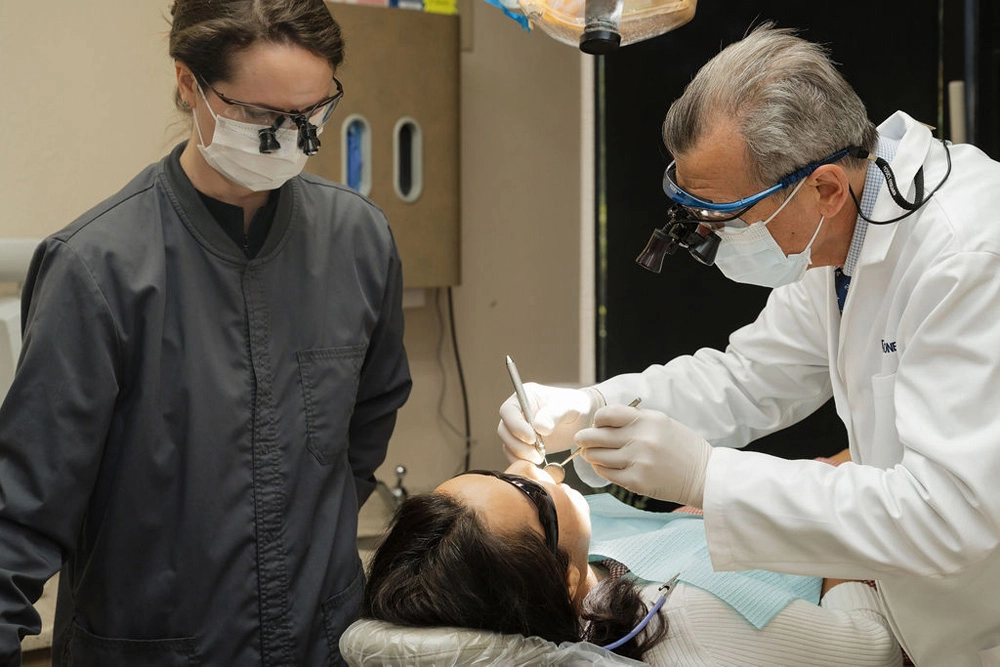
When a filling has failed more than once, I check its edges and the surrounding tooth for decay, cracks, chips, wear, and movement. The size and location of the damage show how much healthy tooth remains to support a repair.
Dental X-rays show decay between teeth or beneath a restoration. If I suspect a crack, I may use a bite test or another examination method.
I also check how your teeth meet when you bite. A concentrated bite can repeatedly strain one restoration. Clenching and grinding matter. So does the amount of sound tooth structure left.
Those findings tell me whether the filling can be repaired or needs replacement, or whether another restoration is appropriate. Replacing the same filling without checking decay, cracks, bite forces, and tooth structure leaves the real cause in place.
Learn more about restorative and advanced dental treatments and what I assess when a tooth keeps losing a filling.
When a filling, inlay, onlay, or crown may be considered
A new or repaired filling can work when the damage is small and enough sound tooth remains. I remove decay or damaged material, then restore the space while keeping healthy tooth.
An inlay fits within the tooth’s cusps, the raised points on the chewing surface. An onlay covers one or more cusps. It supports a wider area than a filling without covering the entire visible tooth.
A dental crown covers the visible portion of a tooth. I consider one when a large filling, extensive damage, or a crack leaves too little tooth for a dependable filling.
The right option depends on the damage’s size and location, whether the tooth is cracked, how much healthy structure remains, and the forces on it. Replacing the same filling again without checking those factors may not solve the reason it keeps failing.
How to reduce the chances of another filling failure
Good daily care slows new decay at the edges of restorations. Brush twice a day with fluoride toothpaste. Clean between your teeth daily.
Keep regular dental checkups. I can catch early decay, worn filling edges, or a developing crack before more tooth is lost. Tell me if a filling has loosened or fallen out before, even if it feels fine now.
If you clench or grind your teeth, say so. A night guard can reduce repeated force on the teeth and restorations.
- Avoid ice and other hard objects. They stress the filling and the tooth.
- Limit sticky foods that can pull on a restoration.
- Watch for changes in your bite or a rough edge. Schedule an assessment instead of smoothing the tooth yourself.
If you live in Elk Grove or Sacramento County, a restorative dental exam can connect repeated filling loss with the condition of the tooth and the forces on it.
Frequently asked questions
Can a filling fall out because I flossed?
Flossing with gentle motion rarely loosens a sound filling. If floss catches or pulls at an edge, the restoration likely had a gap or loose margin already. That needs an exam.
Can a filling fall out the same day it was placed?
Yes, it can. Timing alone does not tell us why. Composite hardens with a curing light during the appointment. Amalgam gains strength over time. Follow the instructions about eating and biting after placement.
Can a dentist repair a filling instead of replacing it?
Sometimes I can repair a small defect and keep the rest of the restoration in place. It depends on the condition of the filling and the tooth around it.
Is it normal for fillings to eventually fall out?
Fillings can wear or loosen over years, but a filling falling out should not be treated as routine. It may be decay, pressure, a crack, wear, or poor support. Have it checked.
How long can you go with a filling that fell out?
Schedule a dental appointment right away instead of waiting for pain. The exposed tooth is more vulnerable to pressure, food, and temperature. Chew on the other side until I examine it.
If you still wonder why fillings keep falling out, an exam with me, Dr. Ionescu, can show whether decay, a crack, bite pressure, or limited tooth support is behind it. Call Dentistry by Design at (916) 685-4662. Ask for Dr. Ionescu. I will check the bite and the tooth before I recommend a repair. You can also request an appointment in Elk Grove online.