
What can comfortable dental care realistically mean?
A patient sits down and says, “I hate needles, and I stopped coming after a bad visit.” Most people do not ask for a pain free dentist for dental anxiety in those exact words. They describe the fear first. I separate two things. Pain control is one issue. Fear is another. Both can be managed, but a comfortable visit starts when I know what worries you and we agree on a plan that fits the treatment.
Dental anxiety shows up in different ways. Needles. Sounds. Lying back. Feeling unable to pause. An old bad experience. Name the trigger and I can adjust something specific. A vague request to make it easier gives me less to work with.
Dental phobia is more intense. Some people avoid care for years. Then a small problem becomes an urgent one. If that sounds familiar, tell Erin before the exam. A short first step can keep a small problem from growing.
Pain control aims to prevent pain. It does not remove every sensation. You may still feel pressure, vibration, movement, or sounds. If you feel actual pain, speak up. Pressure is normal.
No sedation method guarantees zero sensation. I will agree on a signal before I start. You raise a hand. We pause. We check how you feel. That is the rule in my chair.
How are local anesthesia and dental sedation different?
I numb the area where I work. That is local anesthesia. It blocks pain but it does not treat fear and it will not make you sleepy. If anxiety is the bigger issue, we make a separate plan for that.
Sedation reduces anxiety or awareness. The effect depends on the method and the dose. It does not replace local anesthesia. You will probably still need the area numbed.
With lighter sedation, many patients stay awake and can respond. General anesthesia is different. You are unconscious. It takes a different level of clinical care and monitoring.
Ask what you may feel, hear, or remember. Ask how to signal discomfort. A useful plan covers both pain control and communication. Feeling calmer does not mean you feel nothing.

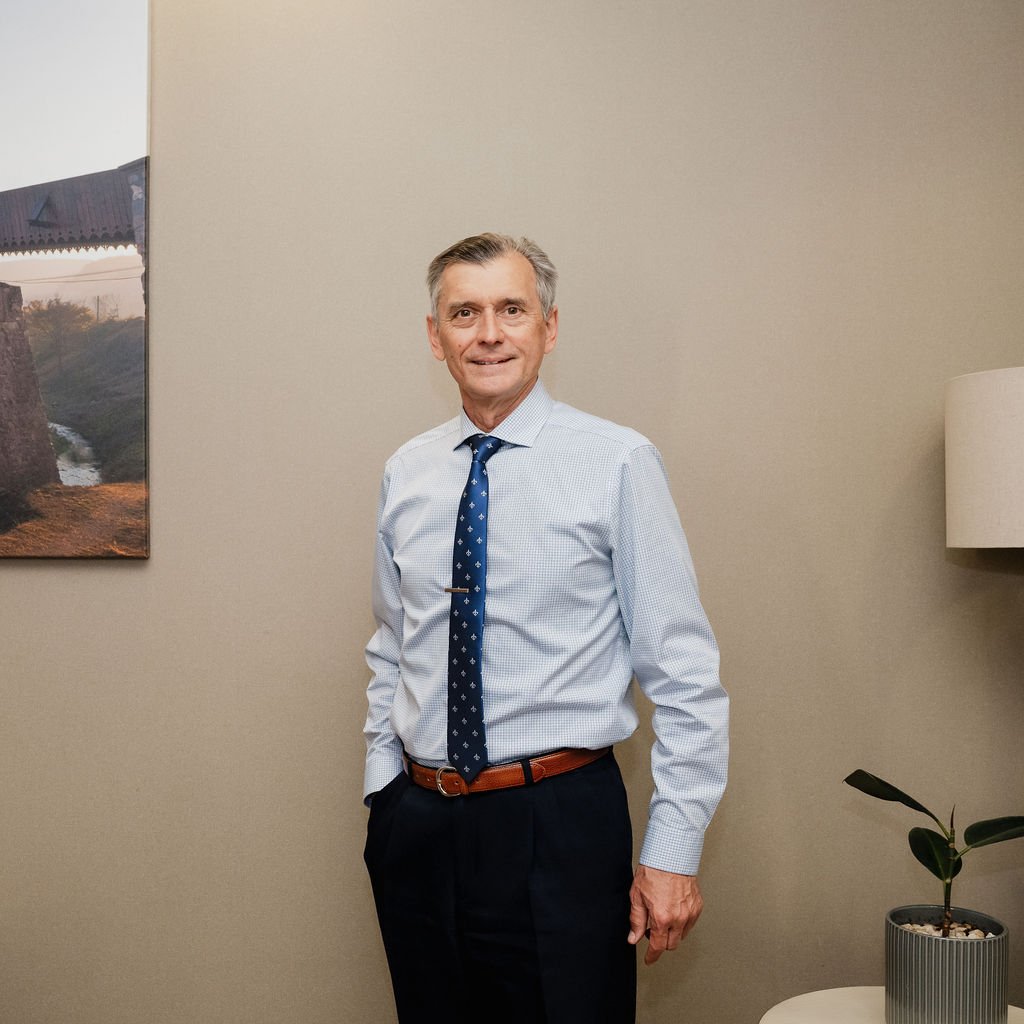
I am Dr. Horia Theodore Ionescu. I see fewer patients per day on purpose. Appointments often run 60 minutes or longer. Nothing is rushed in my chair. Erin handles scheduling, treatment planning, and financial coordination. Alyssa manages the office. Leticia is an RDA with Expanded Functions II and more than 20 years clinical experience. Sarah is an RDA with Expanded Functions II and has been registered since 2006. Before a first visit, Erin will talk through pacing, appointment length, and cost. If mornings are easier, Dentistry by Design opens at 7:30am and closes at 4:30pm Monday through Friday. The office is at 9381 E Stockton Blvd, Suite #100 in Elk Grove. We are closed on weekends. Same-week appointments are normal. The practice holds 4.9 stars across 600+ patient reviews. We run a sterilization center for reusable instruments. They are autoclaved and monitored by an outside lab. The air is filtered throughout the office. We wear full PPE on every procedure. Infection control follows ADA, CDA, CDC, and OSHA guidance. If insurance is the sticking point, we offer CareCredit financing and an in-house dental savings membership. Call (916) 685-4662 to talk it through.
How should you compare dental sedation options?
I do not start with one sedation method and force it onto a patient. I look at the procedure and the person first.
- Nitrous oxide, or laughing gas. You breathe it through a mask. It can take the edge off anxiety while you stay awake. Ask how the effects wear off and what to expect afterward.
- Oral sedation. You take medication by mouth before or around the appointment as directed. The effect varies, so ask how alert you are likely to be and what instructions apply.
- IV sedation. Medication enters a vein and the clinical team can adjust sedation during care. Ask how the team will monitor you and what recovery arrangements you will need.
- General anesthesia. You are unconscious, not lightly sedated. Suitability depends on your health, the procedure, and the clinical setting.
The first question is usually whether you will be awake. With lighter sedation, yes, you usually stay responsive. Awareness and memory vary by method and by person. General anesthesia means you are unconscious.
Oral conscious sedation can make you drowsy and less anxious while you stay awake. It does not work the same for everyone. Ask what level of sedation I expect and how it will fit with local anesthesia and the planned procedure.
What should you ask about screening and monitoring?
I start with your medical history. It is not paperwork. Health conditions, pregnancy, allergies, prescription medicines, supplements, substance use. All of it affects medication choices and safety.
Ask who will provide and monitor the sedation. Ask what signs they watch. Ask about their training for that method. Ask how the team handles an emergency. Knowing the process can help you feel more prepared.
Sedation may make sense for a long procedure or several procedures. One long visit is not automatically better than staging treatment. Talk about treatment time, recovery needs, and what fits your schedule.
Clarify money before we start. Ask separately about sedation fees, dental treatment costs, and insurance coverage. You should know what each part of the plan may cost.
The practice’s patient comfort and anxiety-free dentistry articles offer more guidance. You can also bring questions to an appointment and ask me, Dr. Theodore Ionescu, to explain the plan in plain language.
How can communication make a dental visit easier?
Tell the team what makes you anxious. That is the most useful thing you can do. Sounds, positions, sensations, a past experience. We agree on a pause signal before I start. You raise a hand and I stop. That is the agreement.
If knowing what comes next helps you, ask for step-by-step updates. If detailed explanations make it worse, say so. We can agree on how much information you want during treatment.
If you have been away from dental care for a long time, start small. A short exam can help. You learn the room, the sounds, my pace. Then we build from there.
Comfort measures or sedation can be used for a cleaning as well as for treatment. It depends on your needs and the planned appointment. Ask which options fit.

How can you prepare for sedation and recovery?
You will get instructions from Erin before the appointment. Follow them on eating, drinking, and your usual medicines. Do not change a medication routine on your own. Do not take an anti-anxiety medicine for the appointment unless I direct you to.
Ask whether a responsible adult must accompany you. Ask how you will get home. Find out when you can safely drive or return to work. Sedation affects judgment and reflexes.
Avoid alcohol and other sedating substances with sedation medication unless I specifically tell you otherwise. Mixing things that slow you down can be dangerous.
Ask what effects to expect and how long recovery will take. Know whom to call afterward if you have concerns. Arrange transportation and aftercare before the day of treatment.
Frequently asked questions
Can dental anxiety cause high blood pressure?
Fear and stress can raise blood pressure for a short time during a dental visit. Tell the team if you have high blood pressure or if anxiety hits you hard physically. I will plan around that.
Can diazepam be used to treat dental anxiety?
Diazepam is a benzodiazepine. A clinician may prescribe it for short-term anxiety around a dental procedure in some cases. It can make you drowsy and unsteady, so I have to assess whether it fits you.
Can dental sedation be used for a cleaning, or only for treatment?
Sedation can be considered for a cleaning when anxiety makes routine care hard. It applies to cleanings and treatment. I weigh the type of cleaning, your comfort, and the level of support likely to help.
If anxiety has delayed your dental care, book an exam with me, Dr. Theodore Ionescu, at this restorative dental practice in Elk Grove. We will talk about your triggers, treatment needs, and comfort options. That conversation is a practical first step toward a more manageable visit. Call (916) 685-4662 or book a visit with the office.